Notes From the Field






How to Live a One Health Lifestyle
Understanding that a realistic One Health lifestyle is not an all-or-nothing approach — and that the choices you make matter — allow you to enjoy your life in a responsible, practical, and mindful way. Here are four considerations to think about when going about your day and easy ways you can advocate for One Health and a healthy One Health lifestyle.
Zoos and Aquariums: Centers of One Health Excellence
What is the first thing that comes to mind when you hear the words zoo or aquarium? Does a favorite animal—lions, tiger-sharks, or bears—or a childhood memory pop up? Alternatively, maybe you are one of the thousands of people that works at a zoo or aquarium, and hearing these words reminds you of a task due tomorrow. Either way, did the words zoo or aquarium get you thinking of Conservation Medicine and One Health? If not, they should!
January is National One Health Month
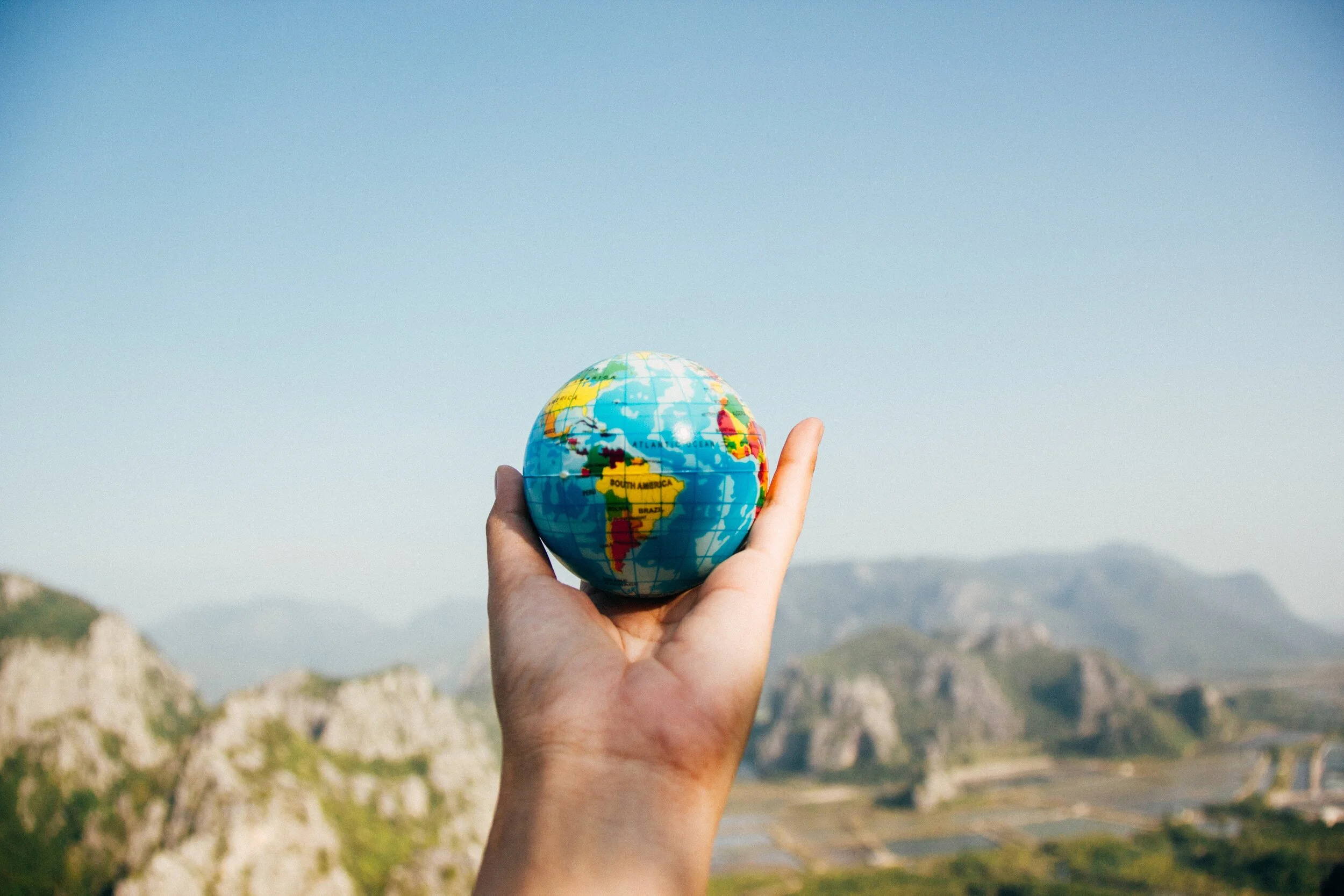
January 2021 was National One Health Awareness Month. During the month we recognized the importance of a collaborative, interdisciplinary—One Health—approach for finding solutions to the public health, environmental, and conservation challenges of the 21st century. In this blog, I share the 31 daily social media posts from the month. Looking back at the time between January 2020 and January 2021 One Health Awareness Months, and thinking of the pandemic that separates the two, it should be even clearer that there is only One Health.

COVID-19 reminds us that One Health may be the key to preventing pandemics
If there is one single truth that 2020 has uncovered, it is that human health is dependent on animal health in both big and small ways. And, if we fail to accept this truth we do so at our own peril. (Okay that is two truths.) If we want to be sure that the current pandemic lifestyle does not become the new normal, we must change our relationships with other species. Period! We must make this change if we hope to solve the challenges of the 21st century, all of which have been evident in 2020—a year that has been so much more than just the year of a pandemic. A few of the many challenges we face today include emerging infectious diseases (EIDs) in humans, animals, and plants (think COVID-19 in humans, white nose syndrome in bats, and chestnut blight in trees), climate change and associated impacts (think of the Australian wildfires and over one billion animals dead as a result of the fires), plastic pollution and its impact on animals and humans and entire environments (remember the Pacific garbage patch?), to the loss of biodiversity and even civil unrest as we consciously or subconsciously realize the extent of these human created harms threatening our collective future.

Let’s create a “new normal” post-pandemic world
How does one begin to write about an event with no clear beginning? Who can say whether the pandemic’s first spark—index case in epidemiological parlance—was in December 2019 or January 2020 or some earlier date? We may never truly know the exact minute when the world’s first human was infected with the novel SARS-CoV-2 virus—the causative agent of COVID-19.
Since starting to shelter in place in mid-March, I have been thinking about what it is I really want to say about this public health crisis. There are so many moving parts and so many people adding to the conversation. I could write about the biology and epidemiology of an infectious disease and how we might #flattenthecurve or practice #socialdistancing, or about the politics of division, denial and, fear. I could write about the add-on costs of unemployment, school closures, slowing of travel and trade, and the cessation of inter-country collaborations and partnerships that if in place may have helped overcome our shared pandemic challenge. However, as an epidemiologist and someone who has spent a career asking the how, what, where, why, and who of disease events, I ended with two questions. How did we get here? Where do we go from here? Before exploring these questions, it makes sense to consider what we do know about COVID-19.